Understanding Your Insurance Options
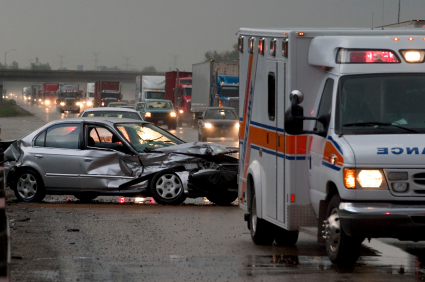
Following an Ohio car crash involving injuries, many questions often arise. You might wonder who will pay your bills, when payments will be made, or what happens if the other person didn't have insurance.
An important consideration is the type of coverage you have through your own insurance carrier and whether or not such coverage should be used.
Why Use Your Own Insurance?
Clients often give puzzled looks when advised to use their own insurance after an accident, even if they weren't at fault. There's a common misconception that using your own insurance will automatically raise your rates. This is untrue and contrary to Ohio law.
There are two primary reasons you might want to use your own insurance, even if you were not at fault for an accident.
When the Other Driver is Underinsured
First, the other driver may be underinsured or uninsured for your losses. This means they either have no insurance or not enough to cover the damages of other parties.
If this is the case, you may want to utilize your underinsured/uninsured motorist coverage (UIM/UM).
Covering Medical Payments
Second, even if the at-fault driver has ample coverage, their carrier will not "pay as you go" through the process of incurring medical expenses. The liability carrier will generally only tender one settlement check months, and sometimes years, after the accident.
This can result in medical expense debt winding up in collections. Therefore, you may want to utilize your "medical payments" or "Med-Pay" coverage to cover expenses that incur before settlement occurs.
Ohio Law Protects Your Rates
Yes, Ohio law provides protection against your insurance company raising your rates in certain situations. There are two primary laws at play here.
Ohio Revised Code Section 3937.22
Under Ohio Revised Code Section 3937.22, an insurance company shall not "increase the cost of a private passenger automobile insurance policy based on the insured’s involvement in a single motor vehicle accident during the policy period" if two requirements are met:
- The insured is not the proximate cause of any loss, damage, injury, or death arising out of the accident.
- The insured is not convicted of, nor pleads guilty nor no contest to, a violation of law as a result of the accident.
Ohio Revised Code Section 3939.23
Second, under Ohio Revised Code Section 3939.23, an insurance company shall not increase the cost of an insurance policy where the insured is involved in an accident with an uninsured or underinsured motorist if the same two requirements referenced above are met.
If you would like to discuss your insurance options with one of the experienced attorneys at McKenzie & Snyder LLP, call 513-737-5180 or use the form in the bottom right to contact us.
Keep Reading
Filing a Personal Injury Lawsuit in Cincinnati

Components of Auto Injury Compensation Recovery
In Ohio Personal Injury Action, Court finds Emergency Medical Care Related and Appropriate
