

Understanding Auto Accident Injuries
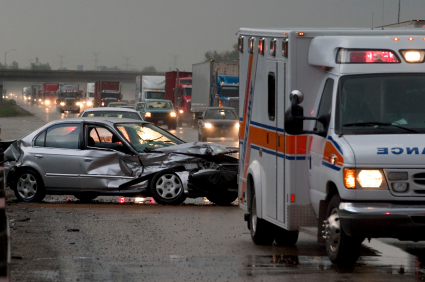
Being involved in a motor vehicle accident is a burden nobody ever wants to face. Some people are even lucky enough to have never been involved in one. In each case, tort law will apply.
It is important to understand the definition of tort and how it applies to your auto injury claim.
Defining a Tort
A tort is any action that leads to injury or harm and amounts to a civil wrong where a court can impose liability on a certain party. In a tort denotation, there are two terms to define:
- Injury: the breach of any legal right
- Harm: any loss that the affected party suffers
Within a tort, proving another party’s negligence or recklessness is crucial to finding the degree of liability in your case.
Negligence vs. Recklessness
In the case of an auto injury, those proven guilty of negligence may be less liable for damages than if proven to be reckless. The distinction between these follows:
- Negligence: the failure to exercise care in a circumstance that results in injury or damage to another.
- Recklessness: when one acts in a dangerous manner fully understanding it may result in another party’s injury or property damage.
Most auto-injury cases will be dealing with negligence
Understanding how negligence laws in Ohio work will help you evaluate your case.
Proving Negligence in an Accident
There are four steps to proving negligence in any auto accident injury case:
- Proof that a legal duty exists that the defendant owed to the affected party.
- Proof that the defendant breached that legal duty.
- Proof that the affected party sustained any injury or harm.
- Proof that the injury or harm sustained was a result of the defendant’s breach of legal duty.
Under Ohio law, if a party is more than 50% responsible for a car accident, they cannot legally recover any damages they have incurred because of the incident.
Negligence and Your Auto Accident
In the case of an auto injury accident, the steps in retrieving compensation resemble the steps in proving negligence.
Duty of Care
Every driver on the road has a responsibility to act with care and to not endanger others. An example is coming to a complete stop at a stop sign.
Breach of Duty of Care
How did the injuries or harm occur? If you are injured in a car accident, how did it happen? Examples of breaches include failure to stop at a stop sign or crossing double yellow lines when passing another vehicle.
Attorneys use crash reports, police reports, witnesses, and other information outlets to prove breaches in duty of care.
Injury or Loss Sustained
If a breach in duty of care has been proven, and you have suffered any injury or loss due to the accident, you might be entitled to make a claim.
A claim consists of verifiable, special damages such as medical bills, chiropractic bills, or wage compensation due to loss of work. Claims also consist of general damages such as the pain and suffering you face because of the accident.
Understanding an Auto Injury Case
Let’s walk step by step through an example of a motor vehicle accident.
Our client, Sky, is driving to her job as a Skyline server. She comes to a 4-way stop and makes a complete stop, looking both ways before determining it is her turn and the road is clear. When traveling through the stop sign, her vehicle is struck by another vehicle that failed to stop at the stop sign. Sky has suffered a broken arm and a concussion because of the accident. Now what?
Duty of Care on the Road
Did the other driver owe Sky a duty of care? Yes, the defendant had a duty to make a complete stop at the 4-way stop.
Breach of Duty of Care
Did the defendant breach his or her duty of care before moving through the intersection? Yes, their failure to make a complete stop at the 4-way stop proves a breach in legal duty he or she had towards Sky.
Causation of Harm
Did the other driver's negligence cause Sky’s harms? Yes, his or her failure to make a complete stop at the 4-way stop caused their car to strike Sky’s, causing her harms.
Recoverable Damages
Damages that her attorneys will likely look to compensate for are:
- Medical expenses.
- Property damages such as her car and any valuables that may have been damaged in the vehicle because of the accident.
- Loss of work: Sky serves tables at Skyline, meaning her broken arm will likely remove her from her job for a foreseeable time.
- Any other pain and suffering she may endure, such as psychological trauma from the accident.
Being in a car accident is a hardship many will never have to face, but understanding your accident and the components that will be valued is important knowledge to have when you talk to your attorney.
Keep Reading

Filing a Personal Injury Lawsuit in Cincinnati