
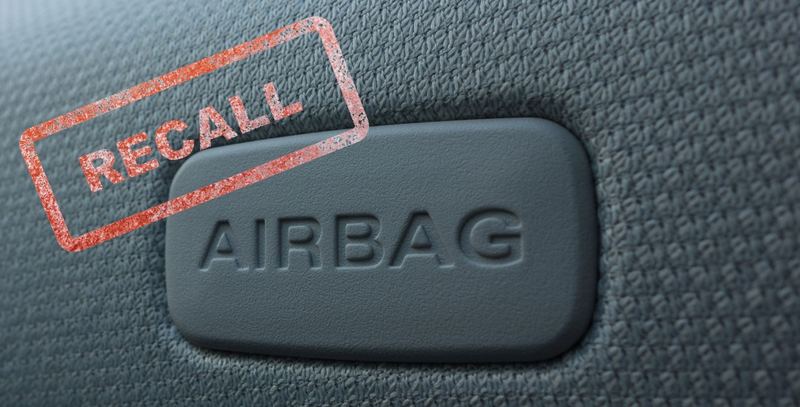
Urgent "Do Not Drive" Warnings
For many drivers, the massive airbag recall regarding Takata inflators sounds like old news. It began years ago and affected millions of vehicles. However, moving into 2025, the crisis has entered a new, more dangerous phase.

Multiple major auto manufacturers have recently issued urgent "Do Not Drive" warnings for specific older vehicle models. If you own one of these vehicles, the message from the National Highway Traffic Safety Administration (NHTSA) is clear: do not drive it.
Do not drive it to work, to the grocery store, or to the mechanic. Park it immediately and contact a dealer to tow it for a free repair.
Affected Vehicles and Risk Factors
While the recall affects dozens of brands, the recent "Do Not Drive" orders are specific to older vehicles where the airbag propellant has had more time to degrade, making them significantly more volatile.
Rather than assuming your car is safe because it is a certain brand, you should be aware that these warnings cover a wide range of vehicles, particularly those manufactured between 2000 and 2011.
You are at a higher risk if:
- Your Vehicle is Older: The chemical propellant used in these airbags becomes more unstable as it ages.
- You Live in a Humid Climate: High heat and humidity accelerate the breakdown of the airbag components, making them more likely to rupture.
- You Have Ignored Previous Notices: If you bought a used car or moved, you might have missed the initial recall letters sent years ago.
Understanding the Airbag Defect
The defect is caused by the breakdown of ammonium nitrate, the chemical used to inflate the airbag. Over time, environmental factors cause this chemical to become unstable.
Instead of inflating quickly to cushion you, the airbag inflator can explode with too much force. This sends metal shrapnel flying into the cabin at high speed.
The older the car, the more unstable the chemical becomes, potentially turning a minor fender-bender into a life-threatening event.
"Even minor crashes can result in exploding airbags that can kill or produce life-altering, gruesome injuries. Older model year vehicles put their occupants at higher risk." — NHTSA
How to Check Your Vehicle
You cannot tell if your airbag is safe just by looking at the steering wheel or dashboard. To check if your vehicle is part of the urgent airbag recall, follow these steps:
- Use the National Database: Visit the National Highway Traffic Safety Administration (NHTSA) website and use their lookup tool to check your specific Vehicle Identification Number (VIN).
- Understand the Urgency: The Takata airbag recall is the largest in U.S. history, affecting tens of millions of vehicles. If your car is flagged, do not wait—schedule your replacement immediately.
- Watch Your Mail: Manufacturers are legally required to notify registered owners. Keep an eye out for official letters regarding recalls, but do not rely solely on mail if you have moved recently.
- Contact Your Dealer: You can call your local dealership or the vehicle manufacturer directly to verify if your specific make and model is under a "Do Not Drive" advisory.
For more detailed information, you can refer to the NHTSA website or the specific recall notices related to your vehicle.
If you or a loved one has been injured by a defective vehicle part, you need legal allies who understand product liability and personal injury law. The team at McKenzie & Snyder is ready to fight for you.
When you need a lifeline, call McKenzie & Snyder.
Call for a FREE consultation! (513) 737-5180


